

About Q/A Miyake Shuzo

skip carousel
18 Jahre oder älter?
Leider sind die Inhalte dieses Shops für jüngere Besucher nicht zugänglich. Schauen Sie wieder vorbei, wenn Sie älter sind.


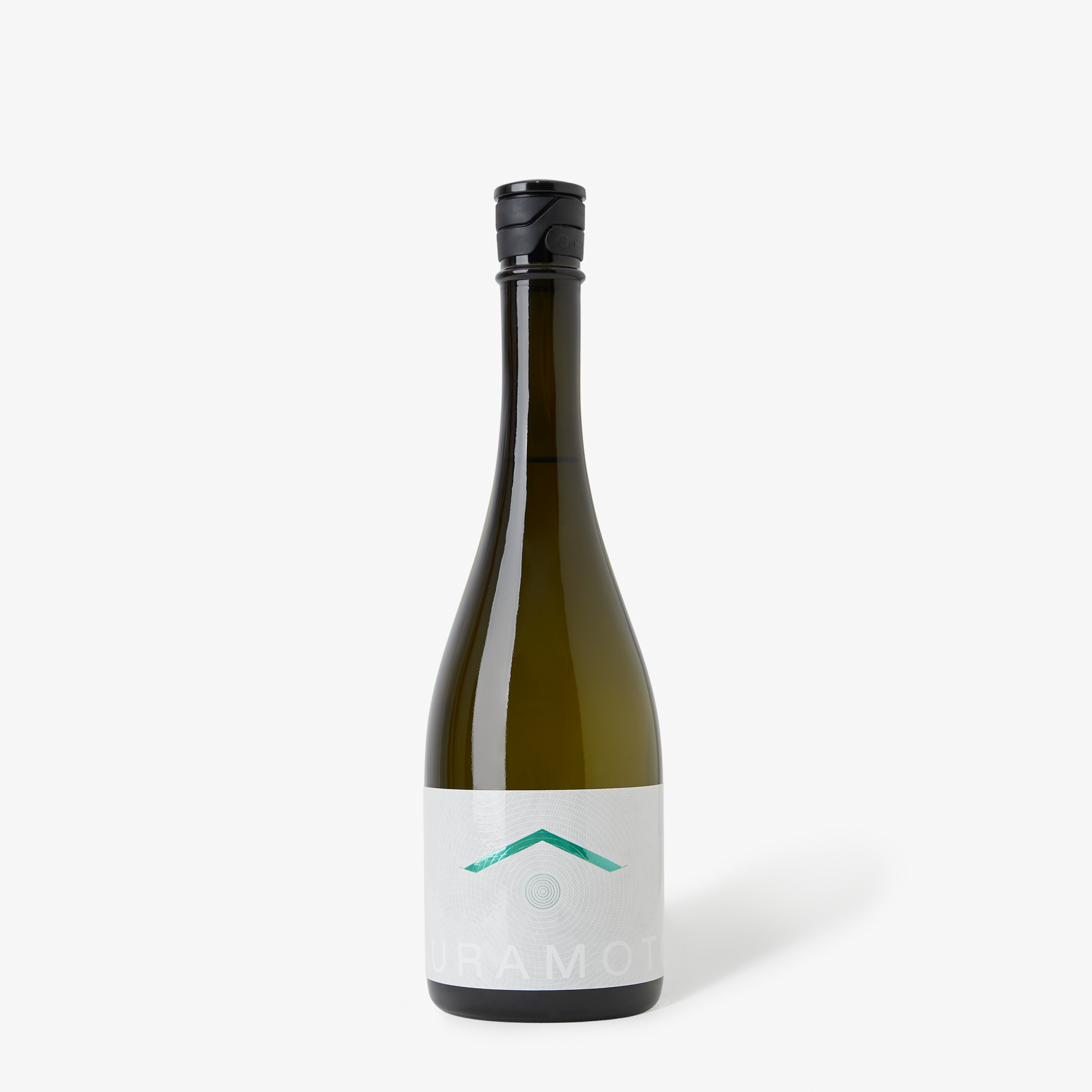
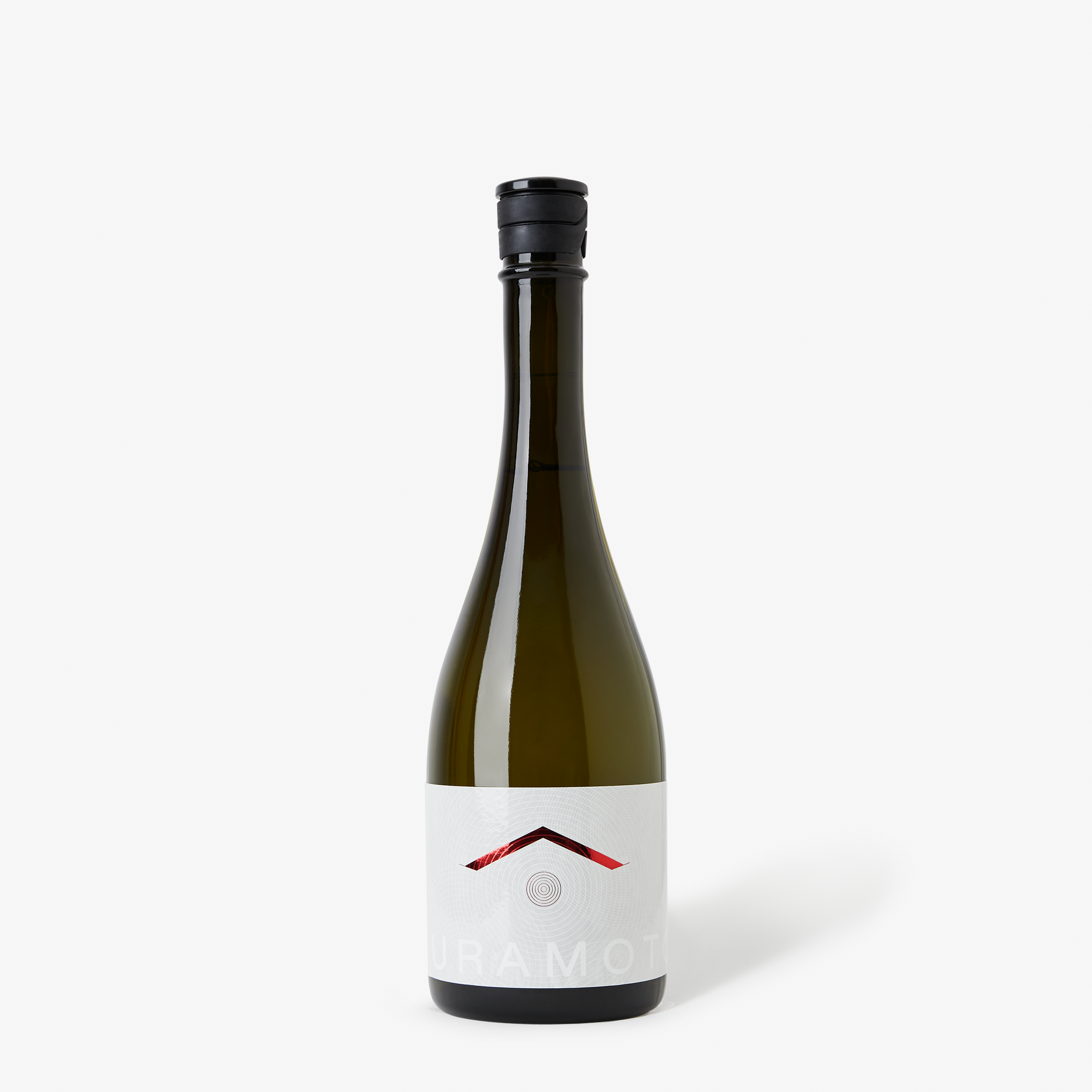
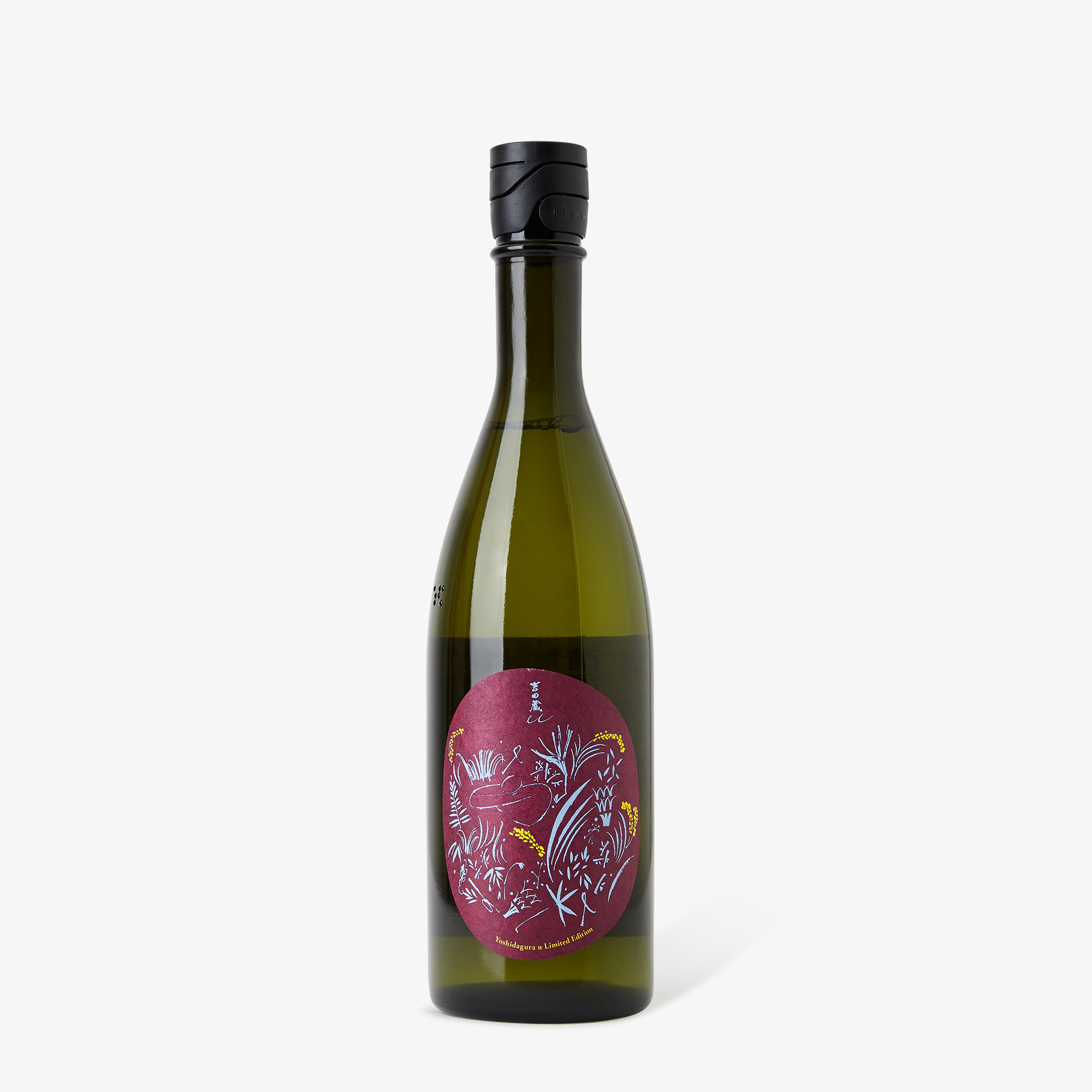
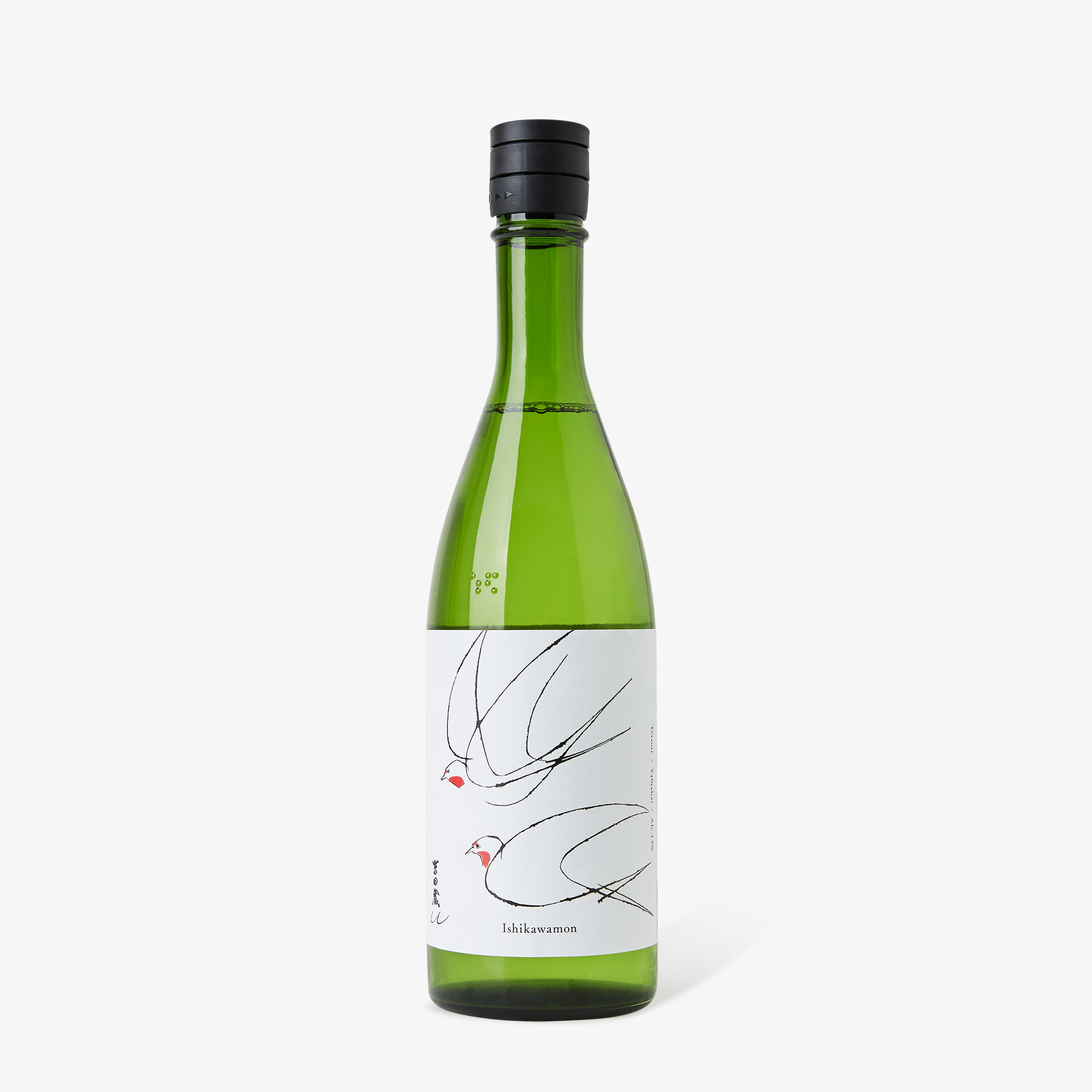
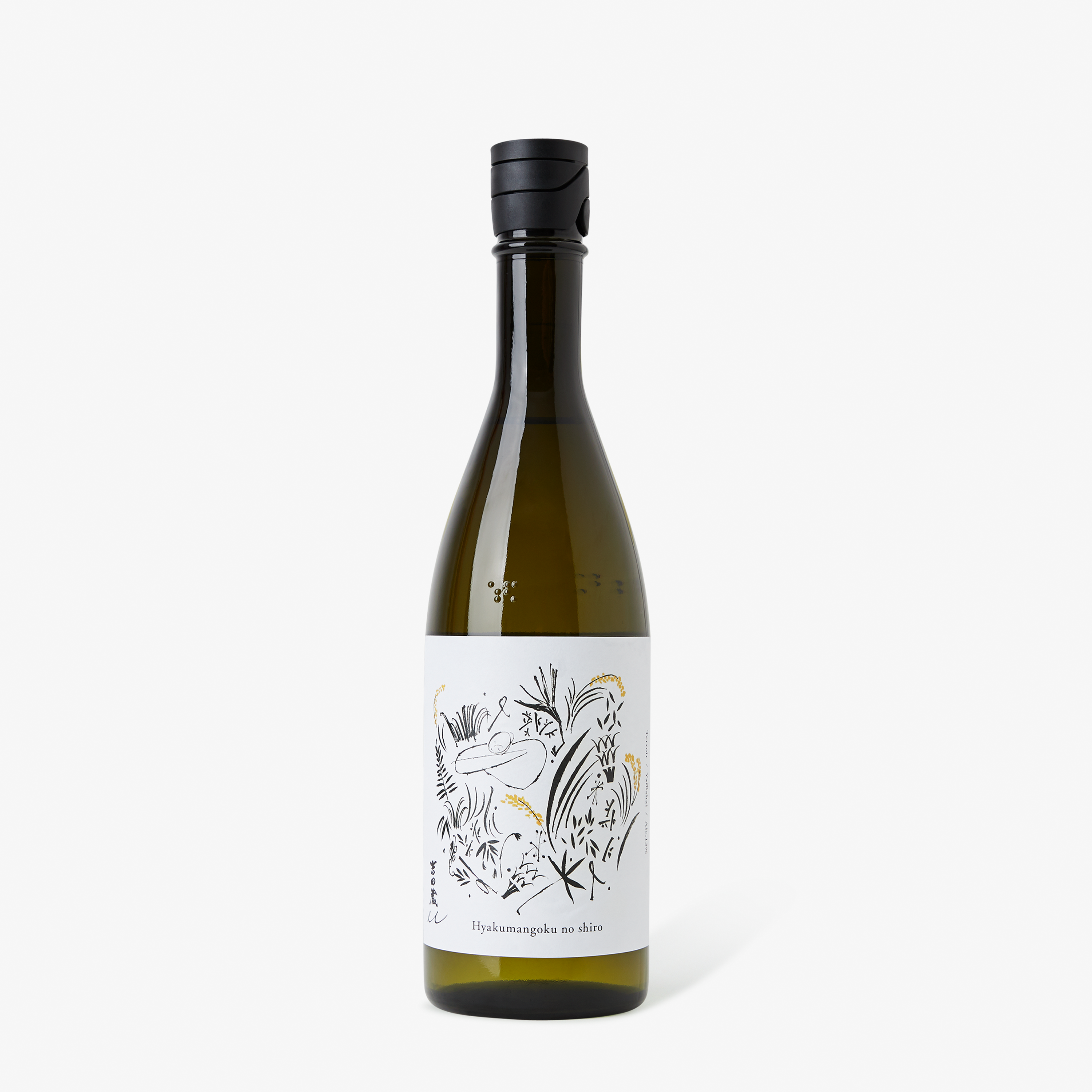
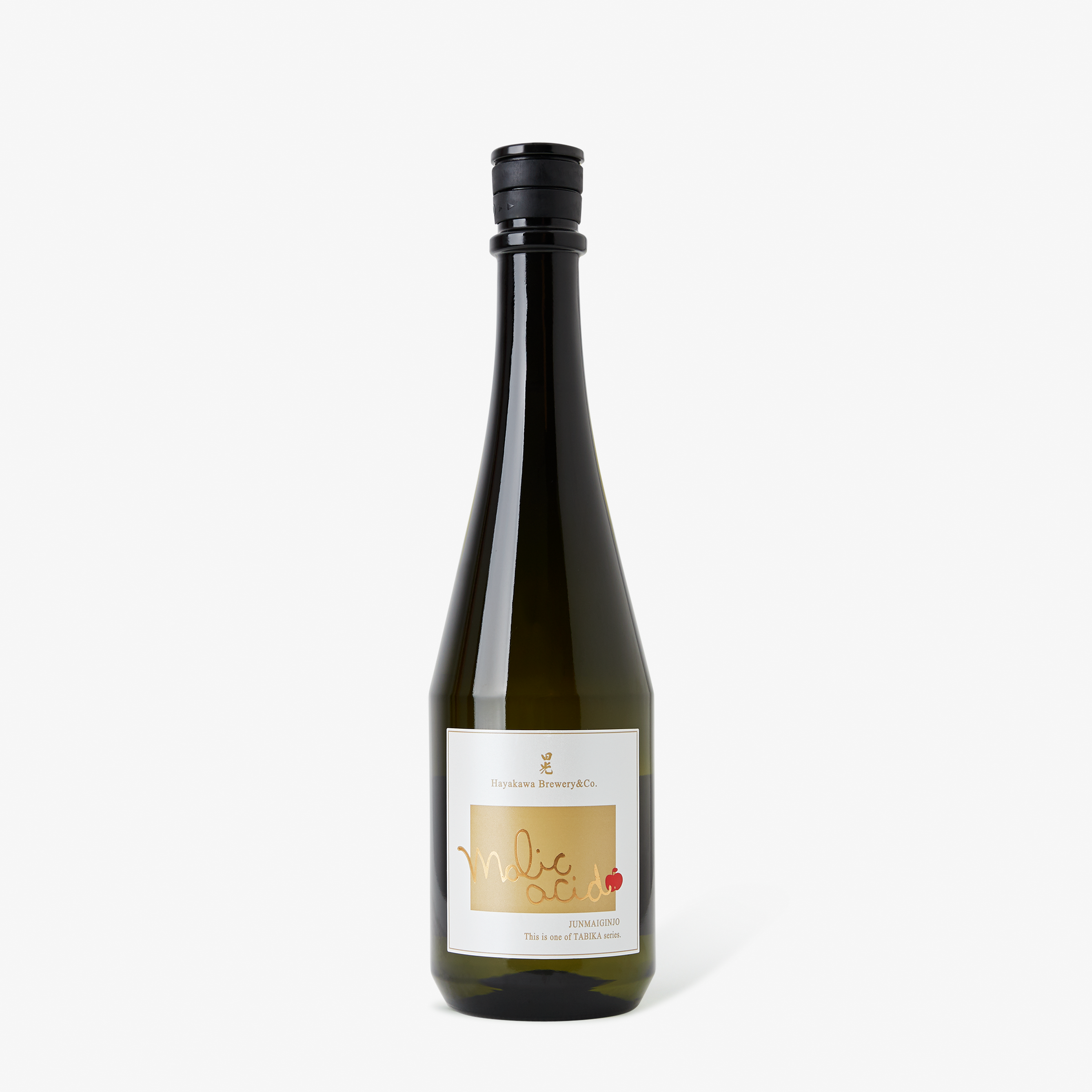
Miyake Sake Brewery, established in 1819 by Saijiro Miyake, is a historic sake producer located in Kasai City, Hyogo Prefecture, Japan. The brewery is renowned for its dedication to traditional sake-making methods and its commitment to quality. Situated in the northern region of the Rokkō mountain range, the area encompasses three villages historically known for cultivating a special variety of sake rice. Miyake Sake Brewery continues this tradition by exclusively sourcing Yamada Nishiki rice from local farmers, emphasizing a terroir-driven approach that reflects the unique characteristics of the region's soil and climate.
Mehrmals im Jahr reisen wir durch Japan – wir gehen aus, verkosten und suchen nach Flaschen, die uns immer wieder begeistern. Wenn wir solche Sake finden, besuchen wir die Brauerei und beginnen den langsamen Prozess des Aufbaus einer vertrauensvollen Beziehung. Viele dieser Brauereien exportieren überhaupt nicht, sodass es Jahre dauern kann, bis wir ihren Sake nach Berlin bringen können.
Im Gegensatz zu traditionellen Importmodellen mit vielen Zwischenhändlern, pflegen wir eine direkte Verbindung und eine strenge Kühlkette bei 5 °C – von der Brauerei bis zu unserem Kühlkeller in Kreuzberg – um sicherzustellen, dass jede Flasche hier genau so schmeckt wie in Japan. Our Sake Club fungiert als Vertreter für jede Brauerei und sorgt dafür, dass ihr einzigartiger Geschmack, ihre Geschichte und ihre Vision mit Sorgfalt und Respekt von Japan zu unseren Gästen gelangen.
It depends on the sake variety. Most sake is best consumed within one to two weeks if kept in the fridge. After that, delicate varieties such as junmai ginjō and junmai daiginjō quickly lose their fruity, floral aromas. Sparkling sake is best enjoyed within one to three days after opening, as it loses carbonation quickly.
Yes. Sake should always be stored in the fridge at a temperature below 8°C. Refrigeration is especially important for nama-zake and to preserve the delicate freshness of ginjō sake. Warm temperatures accelerate oxidation and spoilage.
Enjoy it while it’s fresh! Most sake is best consumed within about a year of leaving the brewery. Nama-zake, in particular, tends to lose its vibrant character after just a few months. Ginjō styles generally have a shorter shelf life than honjōzō and junmai varieties, and are best enjoyed within around ten months.
Sake generally has a higher alcohol content than beer or wine, ranging from 12% up to 18% ABV. The average is around 14.5%.
Yes. Our strict cold-chain import process is essential. All sake is shipped directly from breweries in Japan under strict quality control. It travels in refrigerated containers from Yokohama to Hamburg and is carefully handled until it reaches Berlin, where it is stored in our temperature-controlled cellar.
Yes. At Our Sake Club, we offer guided sake tastings to explore the wide variety of aromas, flavors, and styles. During opening hours, you can enjoy our classic sake flight — a tasting of three different sakes. We also offer seasonal and mainstay selections by the glass. If you fall in love with a particular sake (as often happens!), you can open a bottle to enjoy on-site or take it home.
Yes. We collaborate with local Kreuzberg restaurants Zum Heiligen Teufel and Merold to offer a curated selection of small bites designed to pair with our sake and showcase its versatility.
Yes. For private event inquiries, please contact us at info@oursake.club .