
Introduction
This guide provides a simplified and clear explanation of the complex sake production process. Our goal is to explain the transformation of the rice grain step by step—from polishing the grains to preparing koji, fermentation, and pressing, all the way to the finished sake. The various technical terms, techniques, and characteristics that distinguish and make the many sake types unique are introduced and illustrated with images.
The most important points in brief:
The ingredients for brewing sake are rice, water, yeast, and koji (Aspergillus oryzae), a mold that is also used to ferment miso and soy sauce. The regulation set by Japan’s National Tax Agency regulates what is recognized as “Special Designation Sake” (tokutei meisho-shu) and prohibits the addition of any other ingredients; only distilled alcohol may be added to the finished sake to refine it (aruten). Sake fermentation is a unique, parallel fermentation process in which the breakdown of starch into sugar (saccharification) and the conversion of sugar into alcohol (fermentation) occur simultaneously and in the same tank. Specifically, the koji produces enzymes that convert rice starch into sugar, while yeast simultaneously ferments this sugar into alcohol. This creates the mash from which the finished sake is then pressed. Not only the precise selection of ingredients and meticulous processing, but also the traditional craftsmanship make each sake unique. While some master brewers (toji) maintain a recipe and process passed down for many generations, others advance their craft with technical innovations, responding to the changing climate and the preferences of today's sake drinkers, both in Japan and internationally. Let's look more closely and start with the ingredients.
RICE
PART 1 INGREDIENTS

Rice field at Sekiya Brewery Co
Sake is made from a special sake rice, which differs in size and composition from common table rice. The grains are particularly large and have a concentrated starchy kernel (shinpaku), but less protein. These properties allow brewers to polish the rice grain more than with table rice, and allow them to producing clean, elegant flavors.
The most common rice varieties:
Yamada-nishiki, harvested primarily in Hyogo Prefecture, is considered the "king of sake rice" because of its exceptionally large grains. It can be reliably polished to extremely low grades and is therefore popular for ginjo and daiginjo sake.
Gohyakumangoku is lighter and allows for fresh, dry sake production.
Miyama-nishiki grows in cooler mountain regions and imparts a more robust flavor.
Dewasansan is popular in Yamagata.
Omachi is one of the oldest varieties (1866) and gives sake a rich, earthy, and mineral character.
Rice Cultivation
Sake rice is grown in flooded rice paddies. The growth cycle includes planting seedlings in spring, growth in summer, and harvesting in autumn. Traditionally, winter is the brewing season, when cold temperatures allow for better control of the fermentation process. Today, thanks to climate control technology, many breweries brew independently of this cycle and some even brew year-round.

Planting rice seedlings at Senkin
Ideal conditions for rice cultivation are clay-rich, nutrient-rich soils that can retain water and the plant's roots well, as the large, heavy rice grains are easily toppled by strong winds or rain, endangering the harvest. Climate change also poses a challenge for rice farmers and sake brewers in this regard.
Water

Water source at Yucho Shuzo
While rice and yeast often take center stage in sake production, water is the quiet force that makes up more than 80% of sake. Its role goes far beyond simply filling the tank—the quality and character of the water shape the fermentation and the palate feel of the finished sake. Good brewing water must be both clean and smooth, as well as contain the right minerals. Japan has many famous water sources connected to sake history. In the Nada region of Hyōgo, brewers rely on Miyamizu, a hard water rich in nutrients that drives vigorous fermentation. The result is a bold, dry sake with a crisp flavor that pairs perfectly with the region's food.
Kyoto, on the other hand, is known for its softer "Fushimi" water. This produces softer, more delicate sakes, a style often associated with elegance and refinement. Brewers also adapt their techniques to their water. Modern breweries sometimes treat or adjust their water, but the best producers still prefer and value their natural local sources. For them, water isn't just a tool—it's part of their sake's identity, connecting the drink to the region where it was produced.
Yeast
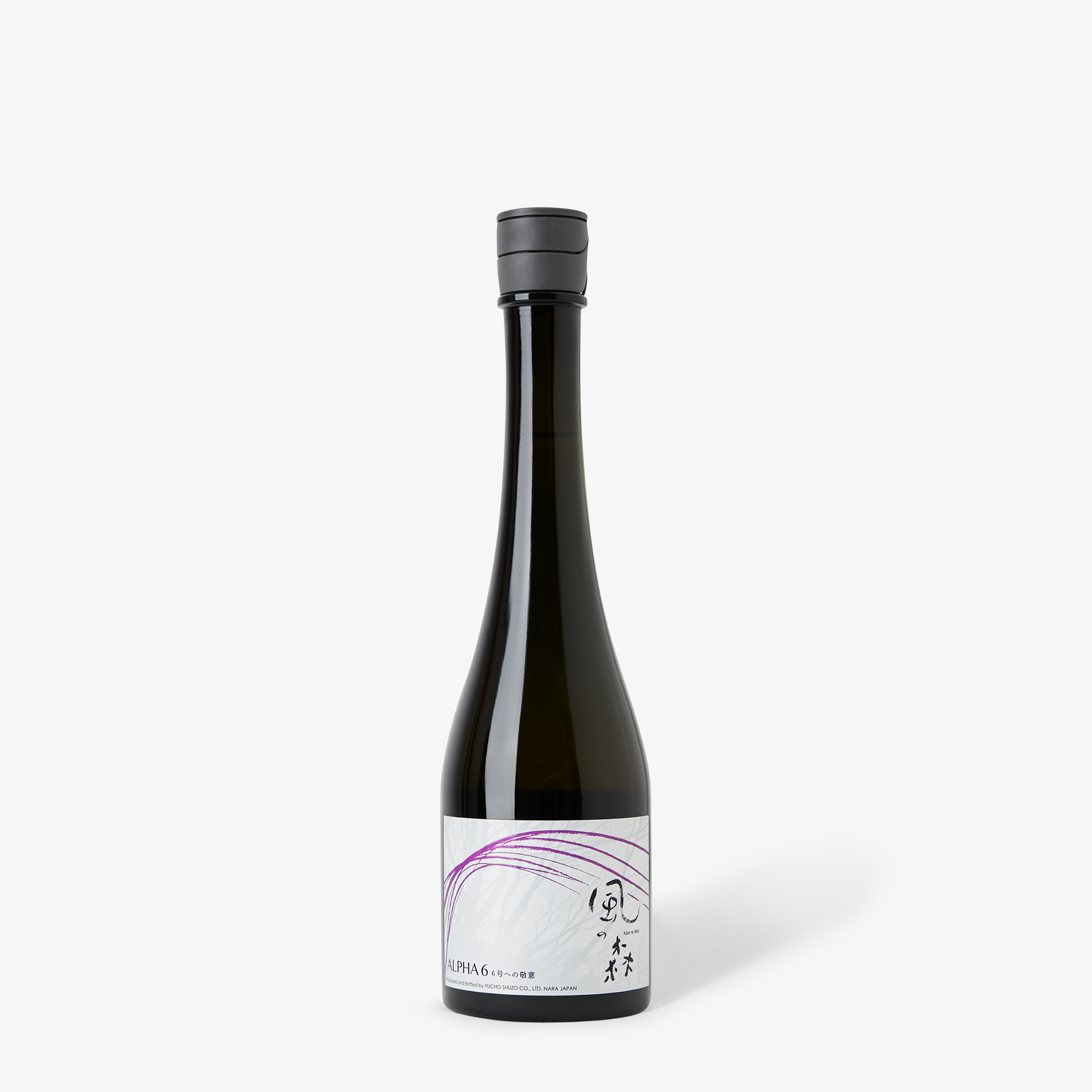
While rice and koji set the stage, yeast is the invisible artist that brings sake to life. Yeast is responsible for fermentation, converting sugar into alcohol—but it does much more. It creates the aromas and flavors that make one sake delicate and floral, another bold and robust. For centuries, breweries relied on wild yeasts from their surroundings. These "house yeasts" gave each brewery its own character, but were unpredictable. In the early 20th century, the Brewing Society of Japan began isolating and distributing pure yeast strains, each with reliable characteristics. Today, these cultivated yeasts are numbered (like yeast Nr. 6, 7, 9, etc.), and brewers select them like a chef selects herbs or spices.

Yeast lab at Wakakoma Shuzo
Choosing the yeast:
Yeast No. 6 was discovered in 1935 at the Aramasa Brewery in Akita. It is one of the oldest pure strains still in use and is known for producing clean, dry sake with sharp definition.
Yeast No. 7, discovered in 1946 at the Miyasaka Brewery in Nagano, is versatile and widely used, known for its balance and depth.
Yeast No. 9, isolated by the Kumamoto Brewery, produces fruity aromas often compared to apple or banana and is a favorite for ginjō brewing.
Newer strains such as the highly aromatic Kyōkai No. 1801 were developed for ginjō and daiginjō and produce particularly vibrant fruity and floral notes.
The choice of yeast is as important as the choice of rice. While rice influences the structure and texture, the yeast determines the sake's "personality"—whether it is vibrant and fruity, rich and spicy. Brewers also adjust temperature and time to coax different expressions from the yeast. Cooler, slower fermentations promote delicate flavors, while warmer ones bring out bolder, earthier notes.
Koji

Koji mould at Senkin
Koji (Aspergillus oryzae) is a special mold used in Japanese cuisine and breweries. For sake, it is grown on steamed rice and helps break down starch into sugar, so that yeast can convert it into alcohol. Approximately 20% of the rice in a sake batch is processed into koji. This 40-hour-long process is extremely labor-intensive and requires constant monitoring, day and night.
Koji Styles:
Koji can grow in a variety of patterns. In Sō-haze, the mold completely covers the rice, resulting in a powerful enzyme boost and rich flavors, ideal for bold sake. In Tsuki-haze, the mold grows lightly and slowly, imparting a more delicate flavor, perfect for Ginjō and Daiginjō sake. Brewers adjust humidity and temperature to control these styles.
There are different types of koji mold (yellow, white, and black), with yellow being the most commonly used. Each type brings with it different aromas and flavors.