
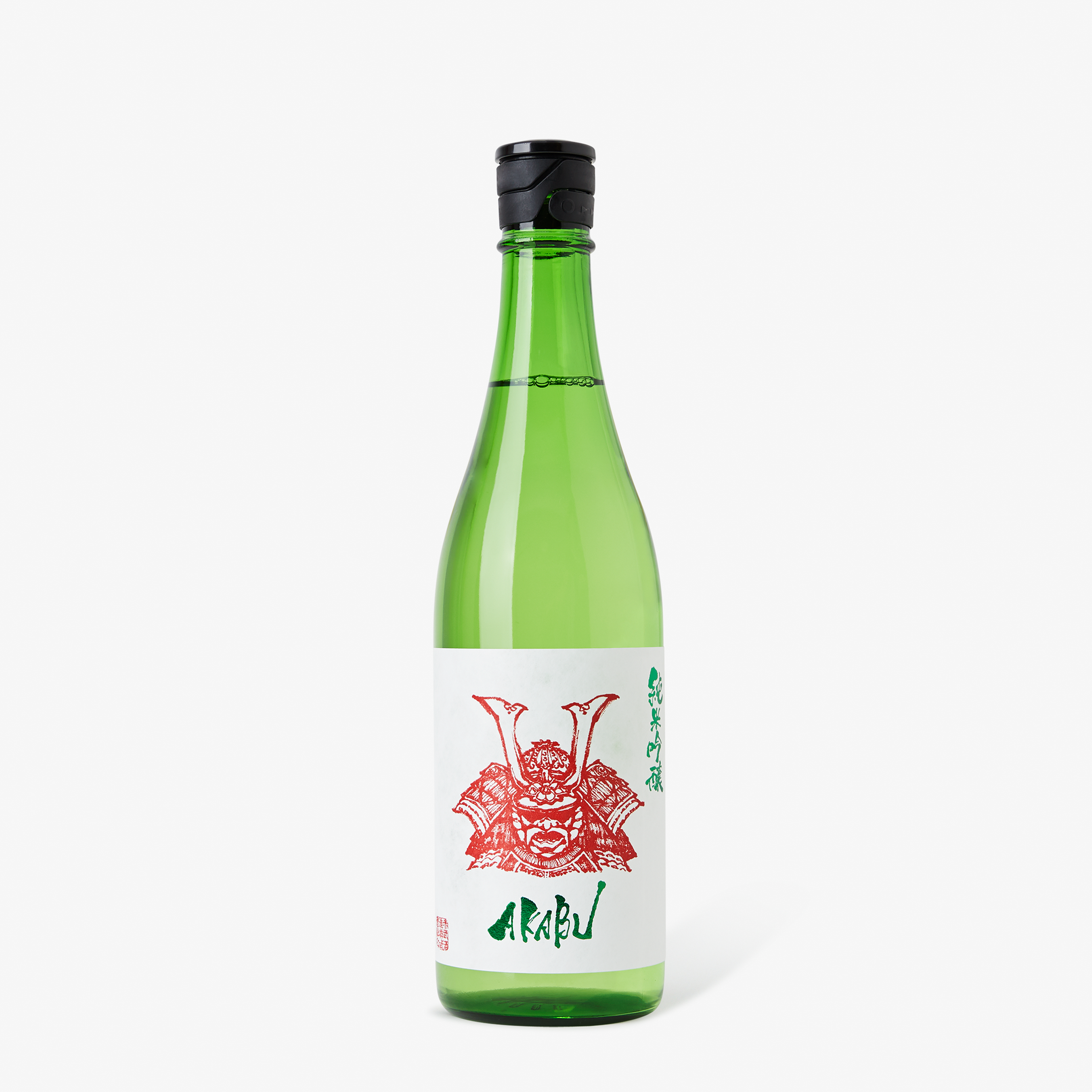
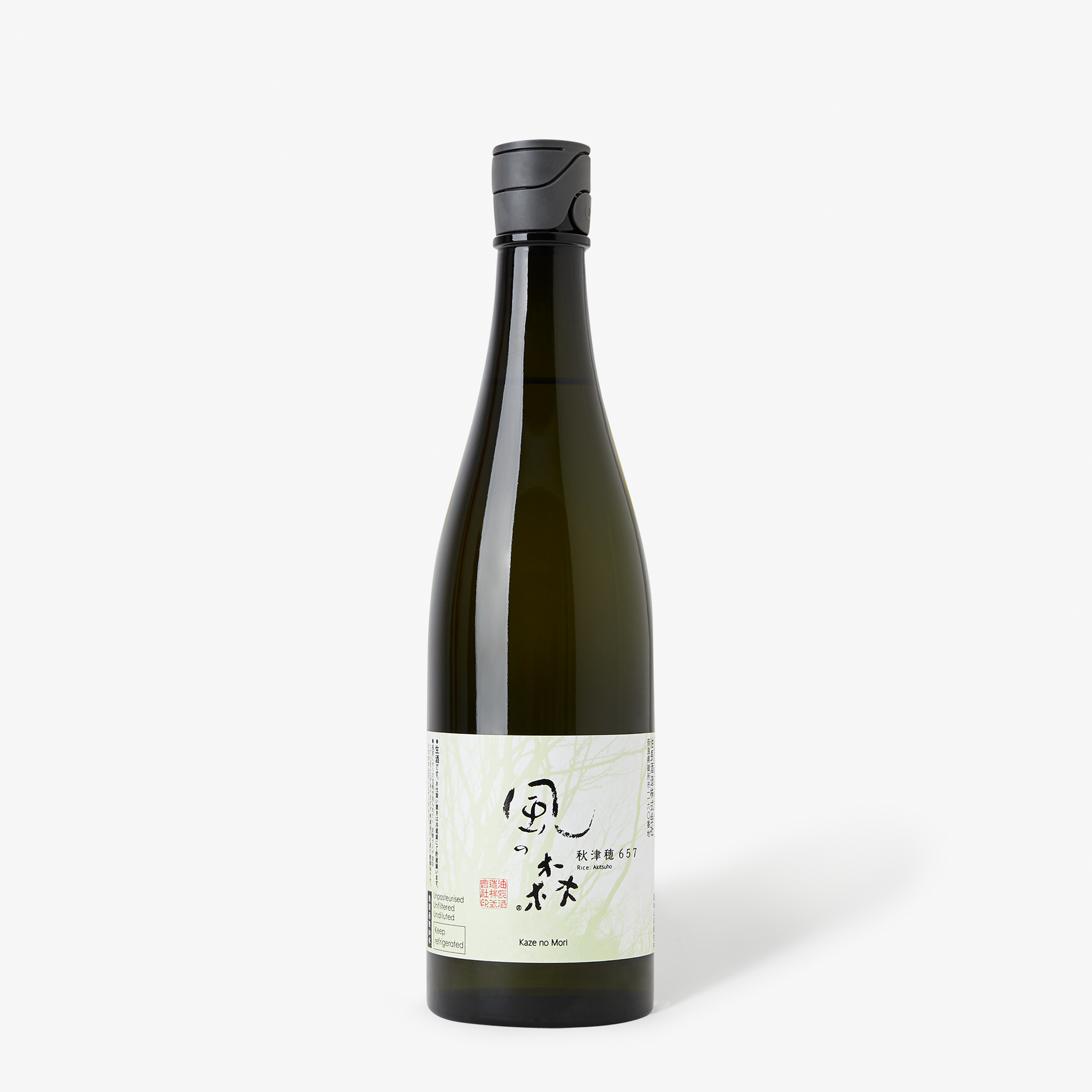
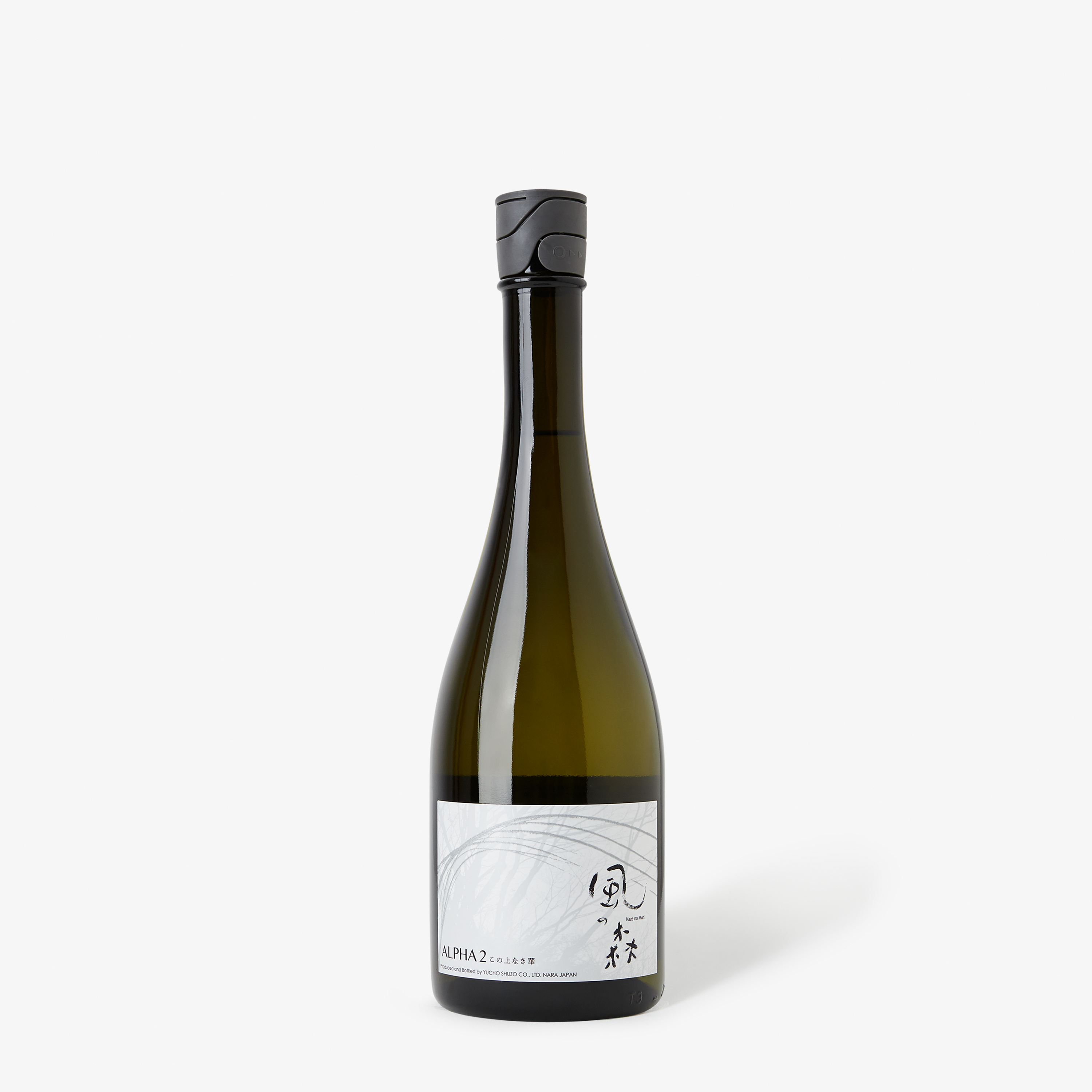
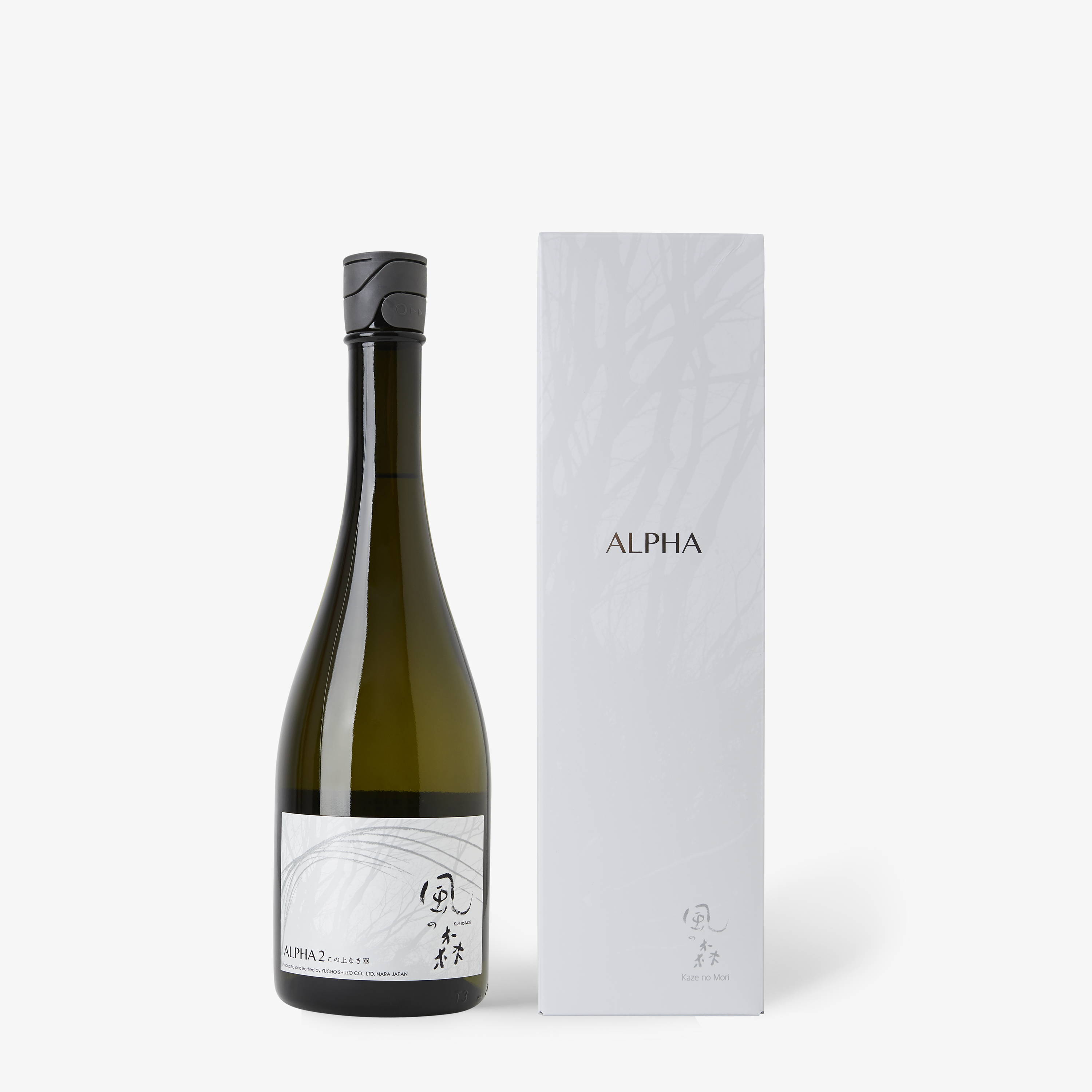
The degree to which the rice is polished influences not only the character but also the classification of the sake. Importantly, excellent sake can be found regardless of its degree of polishing.
Junmai
Junmai Sake has no added distilled alcohol. The polishing ration can be anything up to 60%. The more of the rice grain is unpolished, the more minerals, vitamins, proteins and fats of the outer layers of the grain are left and these nutrients contribute to additional flavour to the Sake. They support faster, warmer fermentations, producing more complex, full-bodied sakes with grainy, earthy, or spicy undertones. Is the rice polished to 70% or less and has added distilled alocohl, it is called Honjozo. Honjozo are usually full-bodied and grainy similarily to Junmai, but tend to have a very dry finish and lightness to them. Any sake with more than 70% of the grain remaining is called Futsu-shu, or everyday sake, and does not fall into the premium sake category.
Junmai Ginjo
When the rice is polished to 60% or less of its original size, the grain loses most of its outer layers of nutrients. What remains is mainly the starch centered in the core of the grain, which is essential for fermentation and produces a gently aromatic, light-bodied sake. This style requires fermentation at very cool temperatures. Delicate fruity notes reminiscent of green apple or banana are characteristic.
Junmai Daiginjo
When the rice is polished to 50% or more, the sake is called daiginjō. Similar to ginjo styles these elegant sake require cold brewing temperatures and are delicate with fine aromas. The high amount resources needed to create a sake of this polishing ration usually makes daiginjos more expensive than other types. Ginjo and Daiginjo follow the same requierements as above, however, they have additional distilled alcoloh added after the fermentation stage to refine their flavours and aromas.
NIGORI
Nigori sake is cloudy because it is only lightly filtered, leaving some rice solids in the drink. It can range from sweet and creamy to light and textured and even bold.
SPARKLING SAKE
Sparkling sake is another playful style, either carbonated like sparkling wine or naturally fermented in the bottle. These tend to have a lower alcohol content, are refreshing and elegant, but don't keep as long as regular sake.
KOSHU (Aged Sake)
Koshu means aged sake, often stored for years to develop complex, mature flavors. Depending on how it's stored—temperature, container, and time—koshu can taste rich, nutty, caramel-like, or earthy. These Sake are matured by the brewer and released when they decide the koshu is ready.
KIJŌSHU
This is a luxurious sake style in which during fermentation some of the brewing water is replaced with sake itself. This makes it sweeter, richer, and higher in alcohol than regular sake, almost like a dessert wine. It was first developed in the 1970s.
TARU-ZAKE
Taru-zake is sake aged in cedar barrels, giving it a unique woody aroma and spicy notes. It was once common because sake was transported in wooden barrels, but today it's more of a special style. In recent years some of the most prestigious breweries are using cedar tanks during the fermentation and matsuration process in new and innovative ways.
CRAFT SAKE
Recently in Japan, likely due to the combined trend of local craft beer and new found interest in their national beverage, there has been a noticeable increase in small startups experimenting with brewing sake.
Because new full sake licenses are rarely granted by the goverment, many of these new sake enthusiasts are creating small-batch alcoholic beverages under the legal classification of other brewed alcohol. These brewers embrace these legal requirements by experimenting with botanical, fruit or plant additives, using local table rice and other methods which are not common or even forbidden in the traditional (and legally licensed) brewing of Japanese sake. This has led to bold new flavour and texture profiles that often bring a new level of regionality and terroir. These are often marketed as craft sake since they cannot be legally called seishu (sake) in Japan.

Craft Sake brewing at Haccoba
These new developments have the potential to upend the traditions of Japanese Sake and broadening the flavour profile beyond classic sake norms. In general terms, Regular sake is polished, consistent and refined, while Craft sake is small-batch brewed, experimental, wild and more variable in taste.
Interestingly, as overall sake consumption in Japan continues to decline and many of the traditional breweries are aging or closing, there is political momentum to allow new full licenses and create new legal programs to help facilitate new style sake breweries. For example, in 2020, a legal revision allowed new licenses for sake only for export purposes, while some regions are applying to be designated as sake special zones to encourage innovation and revive regional economies. However, the challenge is balancing support for innovation and welcoming a new generation of brewers without destabilizing the existing structure of established breweries, many which are hundreds of years old.
CONCLUSION
Sake brewing is a craft, a refined interplay of man, nature, and time. Rice provides the body, koji unlocks the sweetness, yeast paints the flavors and aromas, and water brings it all together—but without the brewer's knowledge and dedication, these ingredients remain silent.
At the beginning, learning about sake is less about memorizing facts and more about recognizing how these elements come together. With every sip, you taste not just rice or yeast, but centuries of tradition, innovation as well as regional and even personal characteristics.
What makes sake remarkable is how every step—from selecting the rice variety and grain polish, to tending to the fermentation and choosing the filtration method—offers room for choice and personality.
With this guide, we hope to provide you with an introduction to this wonderfully diverse beverage, allowing you to understand and appreciate not only the technical and traditional craftsmanship but also the creativity of each brewer. Enjoy discovering and tasting – Kampai!