Gonge Mo Chuisle
Gonge Mo Chuisle

Gonge Mo Chuisle

Craft & Ancient
€79,00
€150,48/l
Tax included. Shipping calculated at checkout.


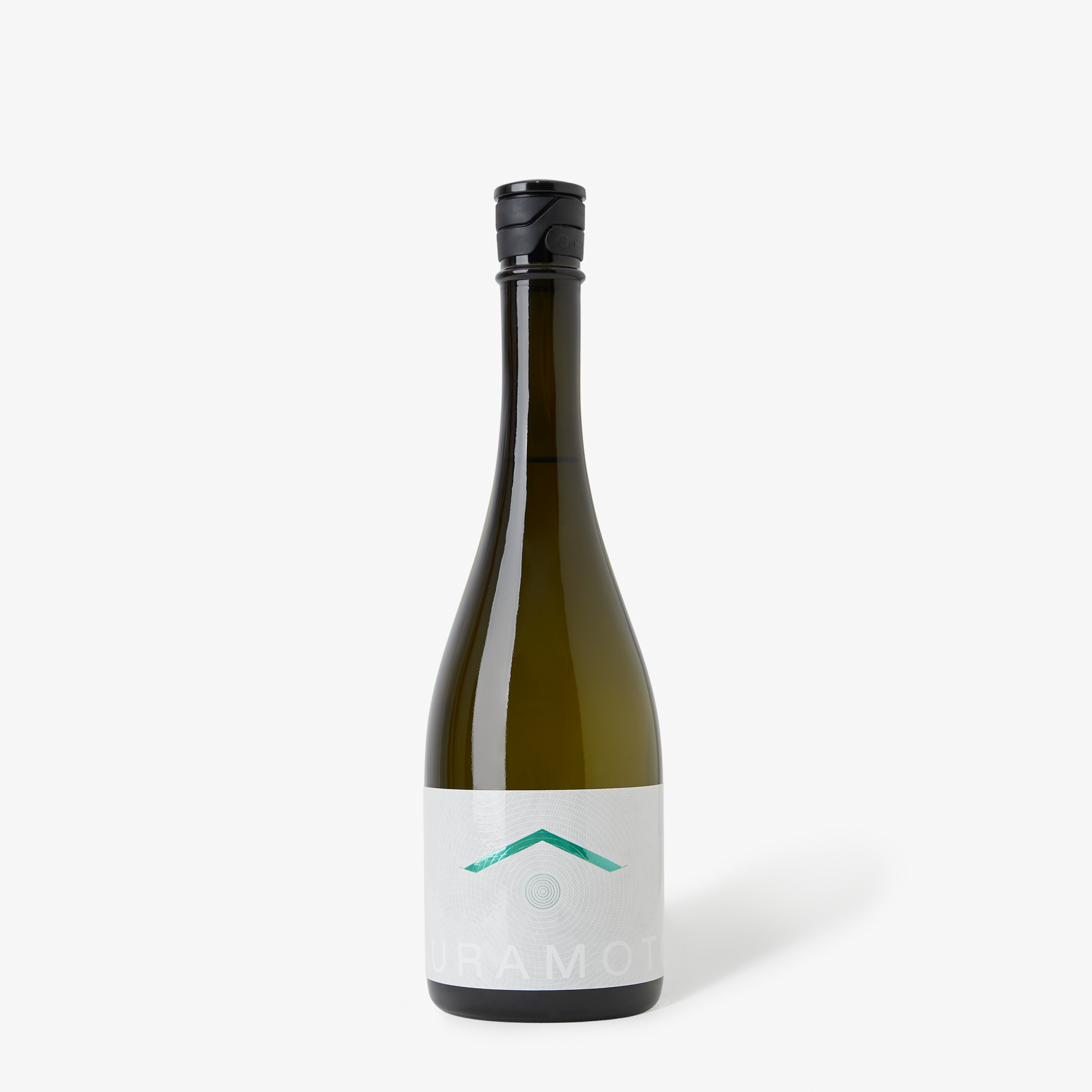
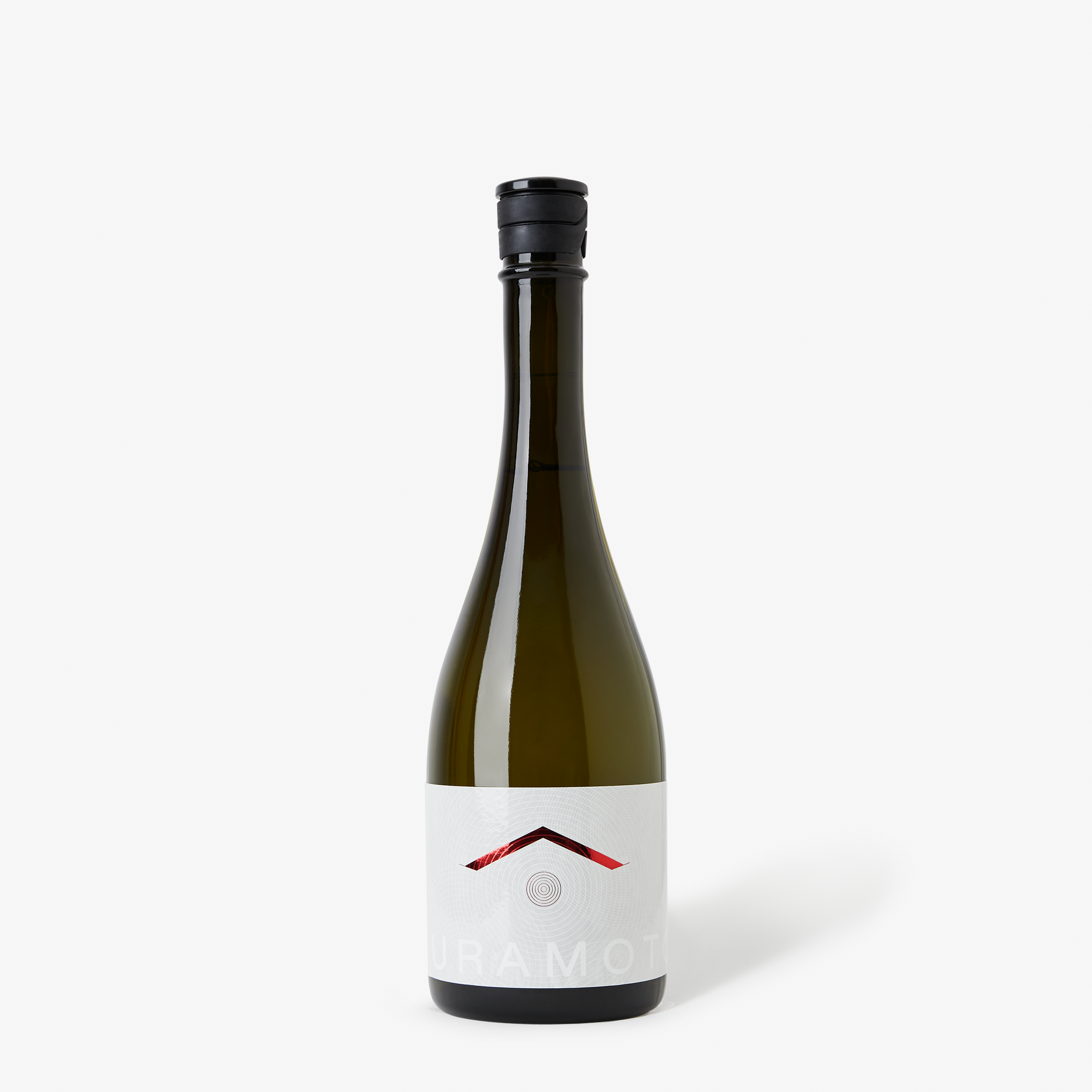
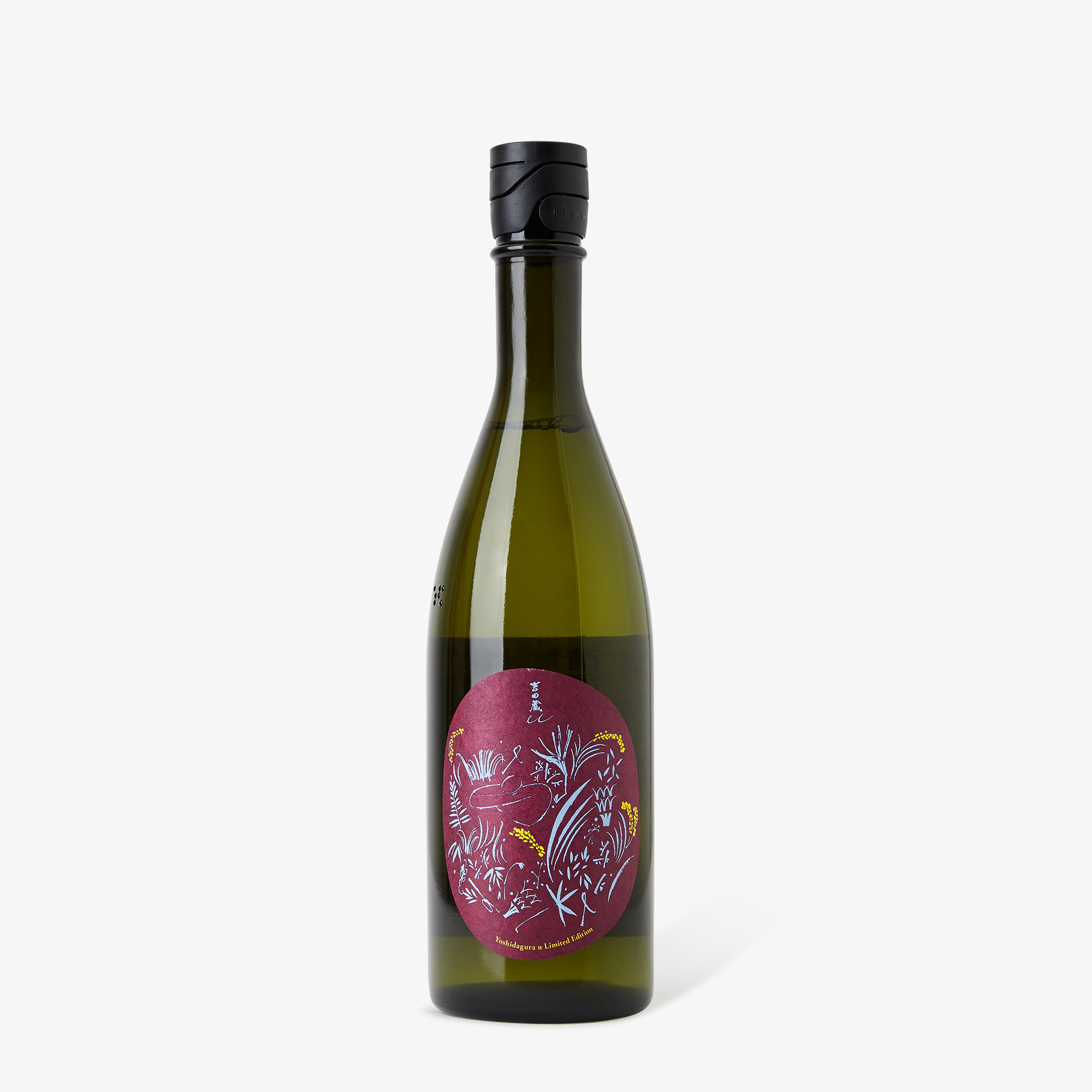
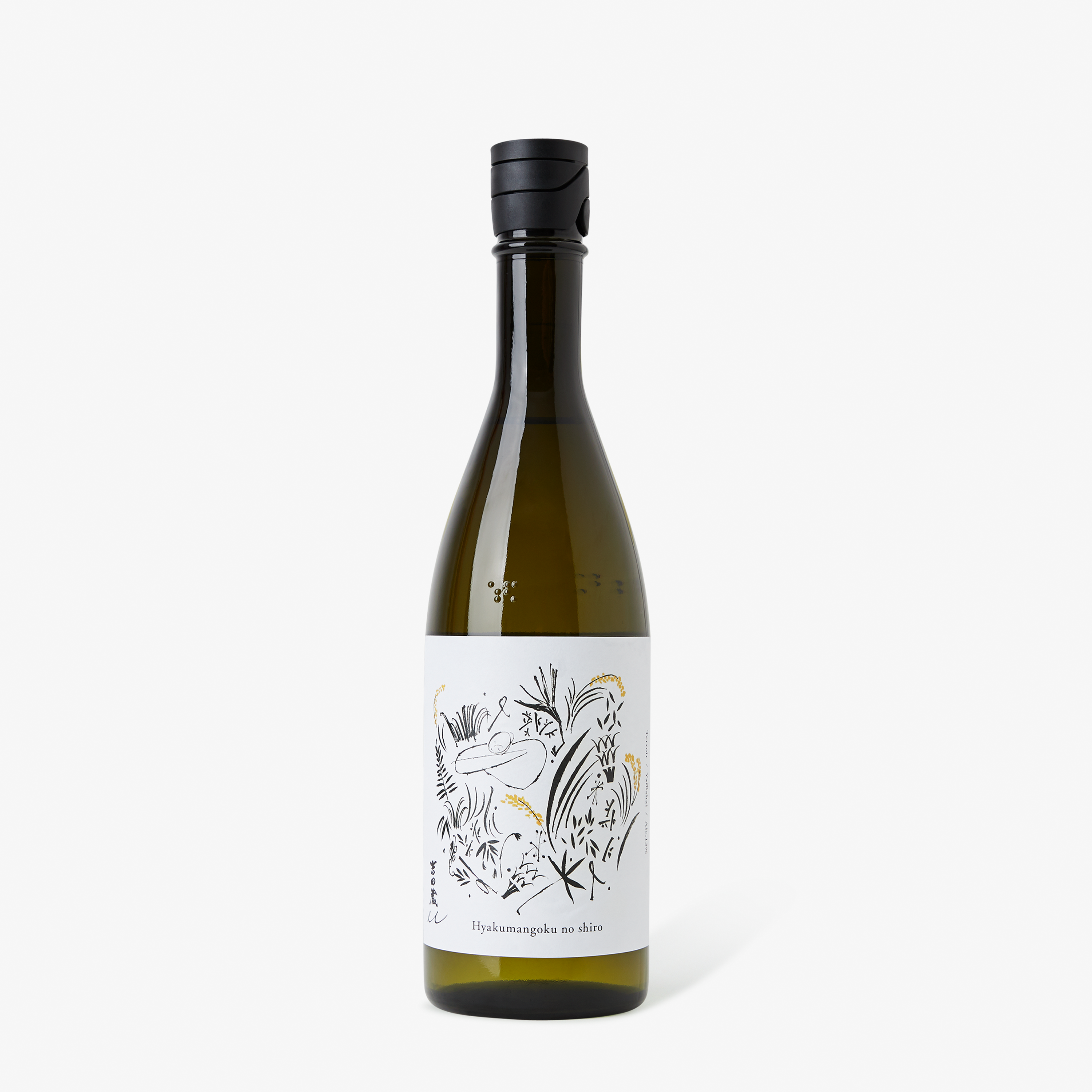
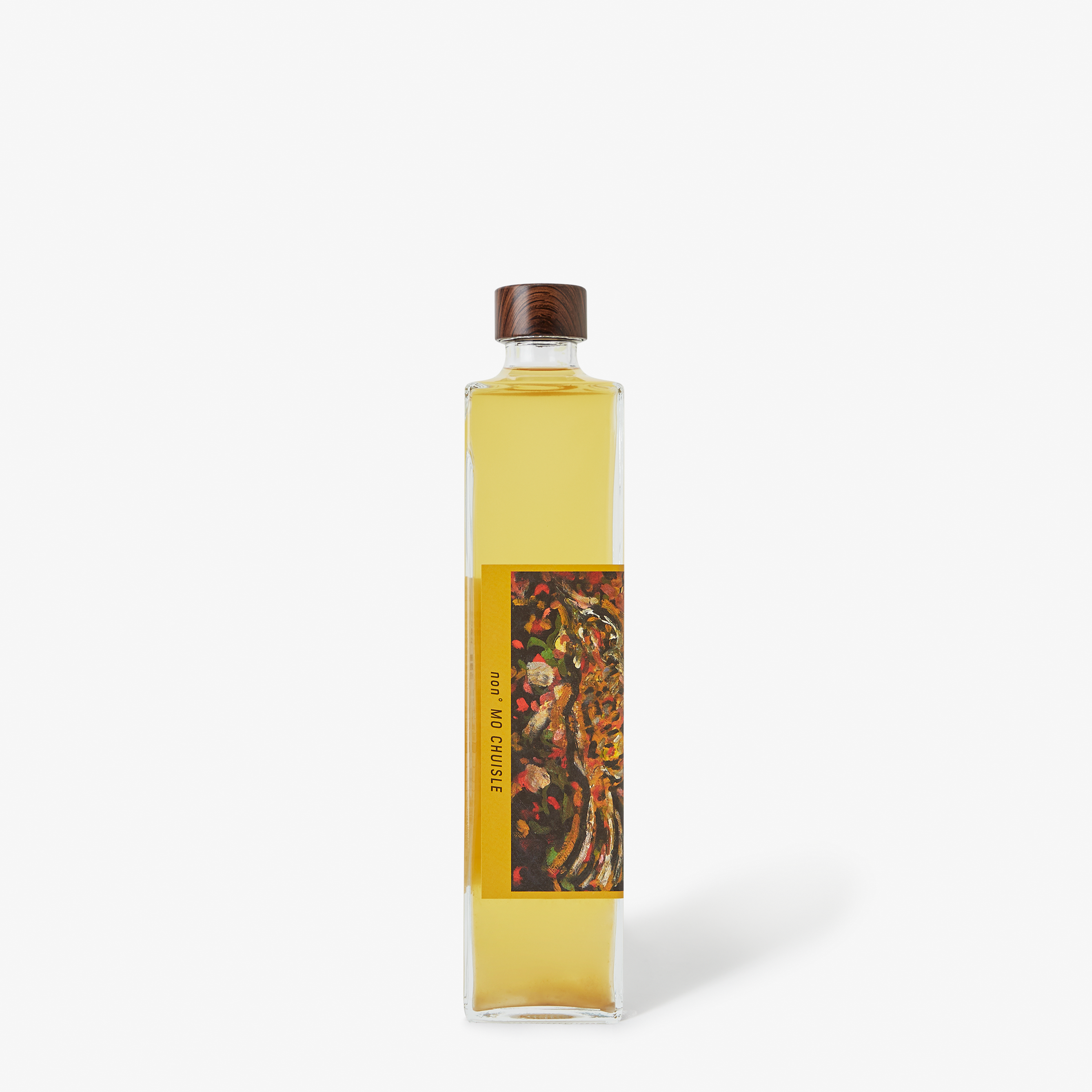
This sake is brewed using the ancient mizumoto method from Japan’s Muromachi period — a completely natural process that uses no cultivated yeast, added lactic acid, or chemical additives. Fermentation takes place in traditional wooden barrels, resulting in a pure, unfiltered, and additive-free sake.
Driven by the strength of natural yeast, lactic acid bacteria, and countless other microorganisms working in harmony, the mash undergoes a long, slow fermentation of over 150 days, achieving full and complex maturation.
The rice used is Tono No. 1, a naturally grown variety cultivated since 2002 without pesticides or fertilizers. For more than two decades, the same soil has been nurtured through the rhythms of sun, wind, rain, and snow — creating a vibrant ecosystem where animals, insects, flowers, and trees coexist. The rice is harvested, then aged for one year to deepen its character before brewing.
From the very beginning, the brewers questioned convention: if rice is cultivated with such care and respect for nature, is it truly necessary to polish it away?

Storage temperature: 5°- 8°C

Drinking temperature: 6° - 13° C

Prefecture: Iwate

Type: Craft

Rice variety: Tono no.1

Alcohol content: 12%

Pairs well with

FAQ

It depends on the sake variety. Most sake is best consumed within one to two weeks if kept in the fridge. After that, delicate varieties such as junmai ginjō and junmai daiginjō quickly lose their fruity, floral aromas. Sparkling sake is best enjoyed within one to three days after opening, as it loses carbonation quickly.

Yes. Sake should always be stored in the fridge at a temperature below 8°C. Refrigeration is especially important for nama-zake and to preserve the delicate freshness of ginjō sake. Warm temperatures accelerate oxidation and spoilage.

Enjoy it while it’s fresh! Most sake is best consumed within about a year of leaving the brewery. Nama-zake, in particular, tends to lose its vibrant character after just a few months. Ginjō styles generally have a shorter shelf life than honjōzō and junmai varieties, and are best enjoyed within around ten months.

Sake generally has a higher alcohol content than beer or wine, ranging from 12% up to 18% ABV. The average is around 14.5%.

Yes. Our strict cold-chain import process is essential. All sake is shipped directly from breweries in Japan under strict quality control. It travels in refrigerated containers from Yokohama to Hamburg and is carefully handled until it reaches Berlin, where it is stored in our temperature-controlled cellar.

Yes. At Our Sake Club, we offer guided sake tastings to explore the wide variety of aromas, flavors, and styles. During opening hours, you can enjoy our classic sake flight — a tasting of three different sakes. We also offer seasonal and mainstay selections by the glass. If you fall in love with a particular sake (as often happens!), you can open a bottle to enjoy on-site or take it home.

Yes. We collaborate with local Kreuzberg restaurants Zum Heiligen Teufel and Merold to offer a curated selection of small bites designed to pair with our sake and showcase its versatility.

Yes. For private event inquiries, please contact us at info@oursake.club .